


Frank Figliuzzi hosts The Frank Figliuzzi Show on Lincoln Square. He is an FBI Assistant Director (retired); 25-year veteran Special Agent; and author of the national bestseller, The FBI Way, and Long Haul: Hunting the Highway Serial Killers. Subscribe to his Substack.
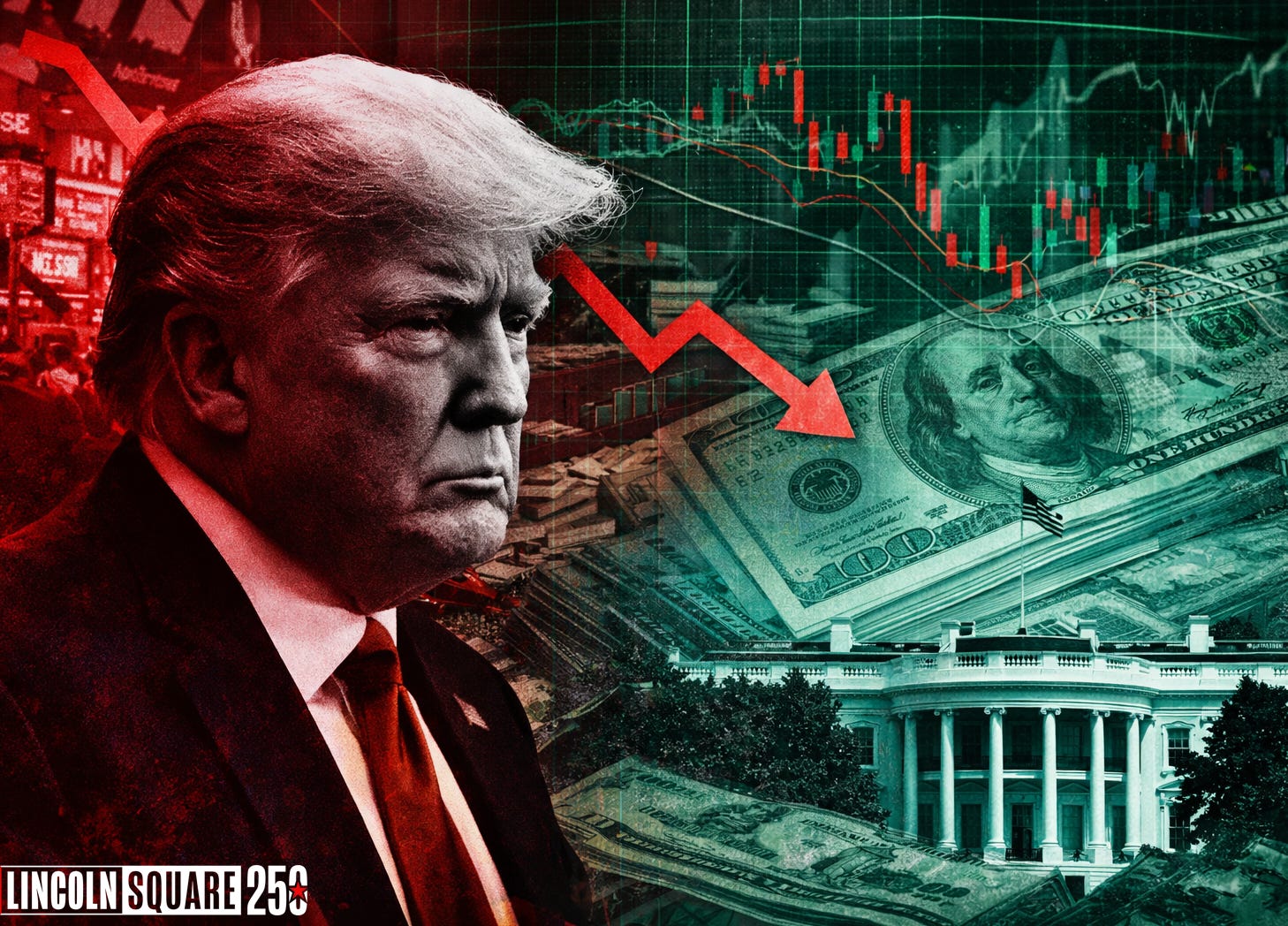
President Trump owned as much as $62 million in Nvidia stock and sold at least $1 million of it before the company CEO’s China spy scandal went public, according to recent reporting. While that might help explain why neither Trump nor his Commerce Secretary, Howard Lutnick, seemingly took no action to alert the CEO after being briefed on related national security concerns, it doesn’t explain why a president is allowed to personally profit from his official decisions.
The Justice and Commerce Departments released a joint statement claiming they looked into this matter, but there’s no sign they’ll investigate Trump’s finances. If it seems like a president is above the law when it comes to clear conflicts of interest, that’s because he really is. For nearly every federal employee in the executive branch, participating in a government decision that directly affects their personal bank account is a crime. Yet, at the very top of the federal hierarchy, two officials operate free from these strictures: the President and the Vice President.
That needs to change.
The primary federal conflict-of-interest statute, 18 U.S.C. § 208, prohibits any executive branch “officer or employee” from participating “personally and substantially” in any government matter in which they, their spouse, or minor children have a financial interest. Coupled with regulations from the Office of Government Ethics (5 C.F.R. § 2635.402), this law mandates Cabinet secretaries and agency heads to either divest conflicting assets, place them in a qualified blind trust, or recuse themselves from decisions. But in 1989, Congress passed the Ethics Reform Act, which amended 18 U.S.C. § 202 to explicitly state that the terms “officer” and “employee” do not include the top two officials in our government.
This exemption is rooted in the Constitution’s separation of powers. Unlike a Cabinet secretary, whose duties can be delegated to a deputy when a conflict arises, the President is the exclusive holder of executive power under Article II. It’s not that simple, and arguably impossible, for a commander-in-chief to recuse themselves from a decision regarding national defense, trade policy, or economic regulation. Because the presidency touches virtually every sector of the global economy, forcing a president to recuse themselves from any policy affecting their investments could paralyze the executive branch and effectively deny their constitutional powers. The Vice President enjoys the same exemption because of their constitutional role as the immediate successor to the president.
Throughout history, regardless of party, it was simply understood that well-meaning presidents voluntarily divested their individual stocks or relied on blind trusts managed by independent trustees. Now that practice has been shredded, and the friction between private wealth and public duty has flared into a glaring blaze.