


The Fourth of July wasn’t much of a holiday where I grew up.
I was raised in Mississippi, where the Fourth of July wasn’t just America’s birthday. It was also the anniversary of two defeats that broke the Confederacy. Gettysburg on July 3. Vicksburg on July 4.
It wasn’t like we paraded in Confederate uniforms or staged re-enactments where this time “we” won. But it was a muted holiday, more bittersweet than joyful. (Although I do have a cousin who has a photo of me dressed in a Confederate Cavalry officer’s uniform at an Old South charity ball in Jackson. I think I was 13. She is threatening to post it on her Instagram account unless large sums are exchanged. The negotiation is ongoing.)
I have a wooden trunk in my living room that a relative took with her into the caves of Vicksburg during the siege. There are 41 marks on the inside of the trunk, the last made on July 4th, 1863. A many-times-great-uncle was a Confederate Cavalry officer who had six sons after the war, naming them all for Confederate generals. These names were passed down in the family. I got Jeb Stuart. It could have been Zollicoffer.
My family always supported the candidate who was “good on race,” a common phrase heard in those days, and passionately opposed segregationists. If pressed, my parents would have said of course it was a good thing that the South lost the war. But we lived in the booming era of the Lost Cause.
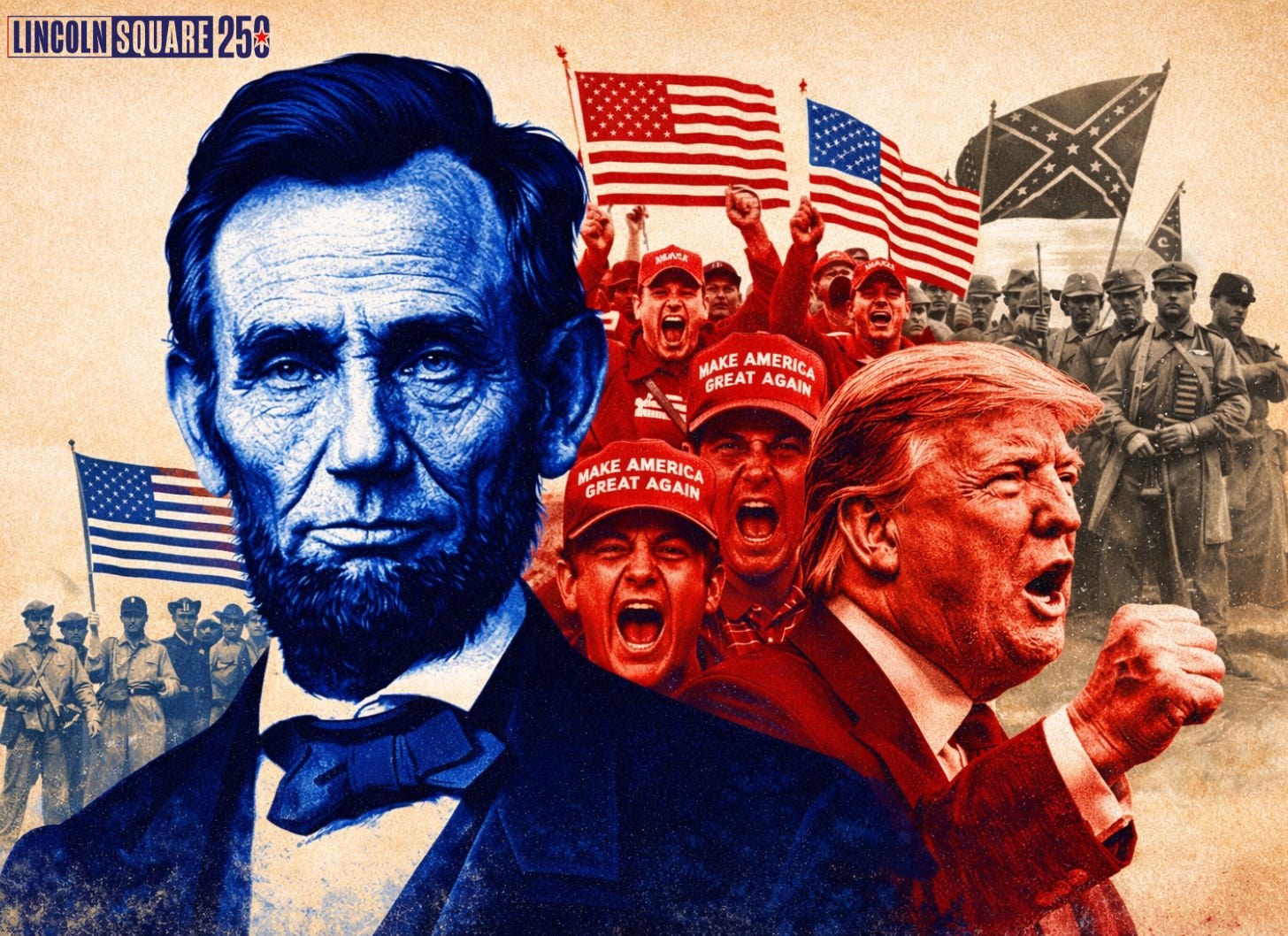
The Lost Cause may be the most successful propaganda campaign in American history. It transformed a rebellion for the right to own other human beings into a story about honor, heritage, and noble sacrifice. It gave America Gone with the Wind instead of slave markets. It gave us marble monuments to Confederate generals while encouraging us to forget the millions of people whose lives were bought and sold.