


Frank Figliuzzi is an FBI Assistant Director (retired); 25-year veteran Special Agent; and author of the national bestseller, The FBI Way, and Long Haul: Hunting the Highway Serial Killers. Subscribe to his Substack.
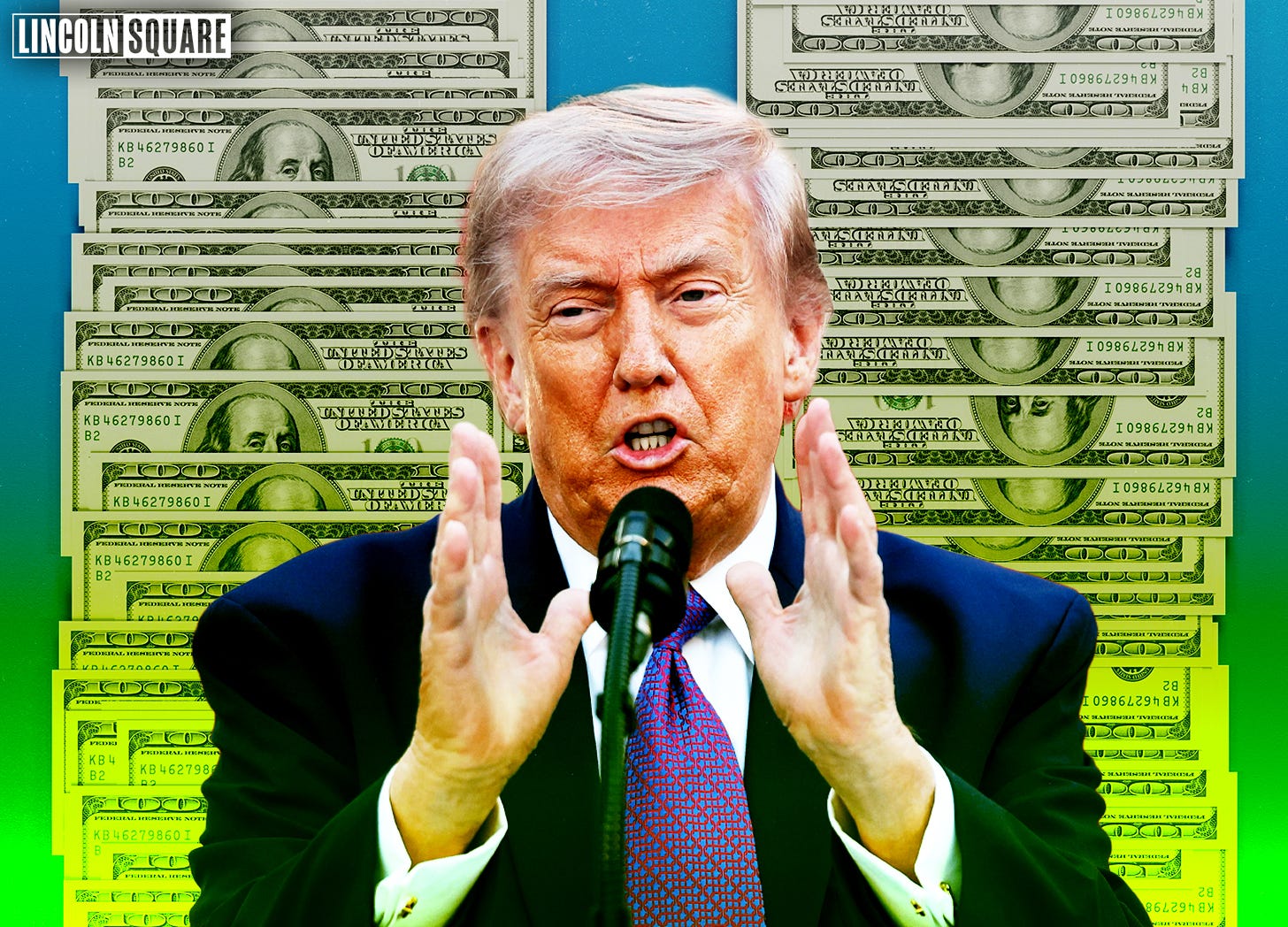
On Monday, we learned President Trump withdrew his family’s $10 billion lawsuit against the Internal Revenue Service. The suit stemmed from the leak, by an IRS consultant, of confidential tax return documents filed by Trump and his family. That consultant also divulged data to various media outlets about other rich Americans. He pleaded guilty and was sentenced to five years in prison.
Experts complained that the lawsuit posed serious conflict concerns with a president suing an agency he oversees and possibly approving an outrageously exorbitant settlement for himself. While that might have been preposterous, reports of the dropped suit were quickly followed by even more disturbing news of how that case was settled: Trump’s DOJ established a $1.8 billion fund to compensate Americans who, like Trump, assert they are victims of a “weaponized” justice system.
Trump’s decision to drop his suit probably wasn’t some magnanimous gesture grounded in concern over pillaging the public coffers for his own enrichment. More likely, his advisors briefed him on the judge’s questions about the propriety of the case and on the odds that Trump would suffer yet another courtroom loss.
U.S. District Judge Kathleen Williams, presiding over the case in Miami, queried whether there was any real legal difference between the plaintiff — Trump, and the IRS — led by Trump. Judge Williams questioned whether the parties were “sufficiently adverse” to genuinely oppose each other. In other words, even though private citizen Trump brought the lawsuit, President Trump might be telling the IRS and the DOJ what to do. The judge wrote, “he is the sitting president, and his named adversaries are entities whose decisions are subject to his direction.”
Judge Williams was concerned enough to appoint six lawyers to advise her. They concluded that these conditions:
“… raise the specter that the defendants and their attorneys may instead be operating at the President’s direction. Additionally, since taking office, President Trump has significantly expanded the President’s oversight and control over the Attorney General and DOJ, including in ways that blur the line between fidelity to the President’s policy priorities and fidelity to the President himself.”
