


Frank Figliuzzi is an FBI Assistant Director (retired); 25-year veteran Special Agent; and author of the national bestseller, The FBI Way, and Long Haul: Hunting the Highway Serial Killers. Subscribe to his Substack.
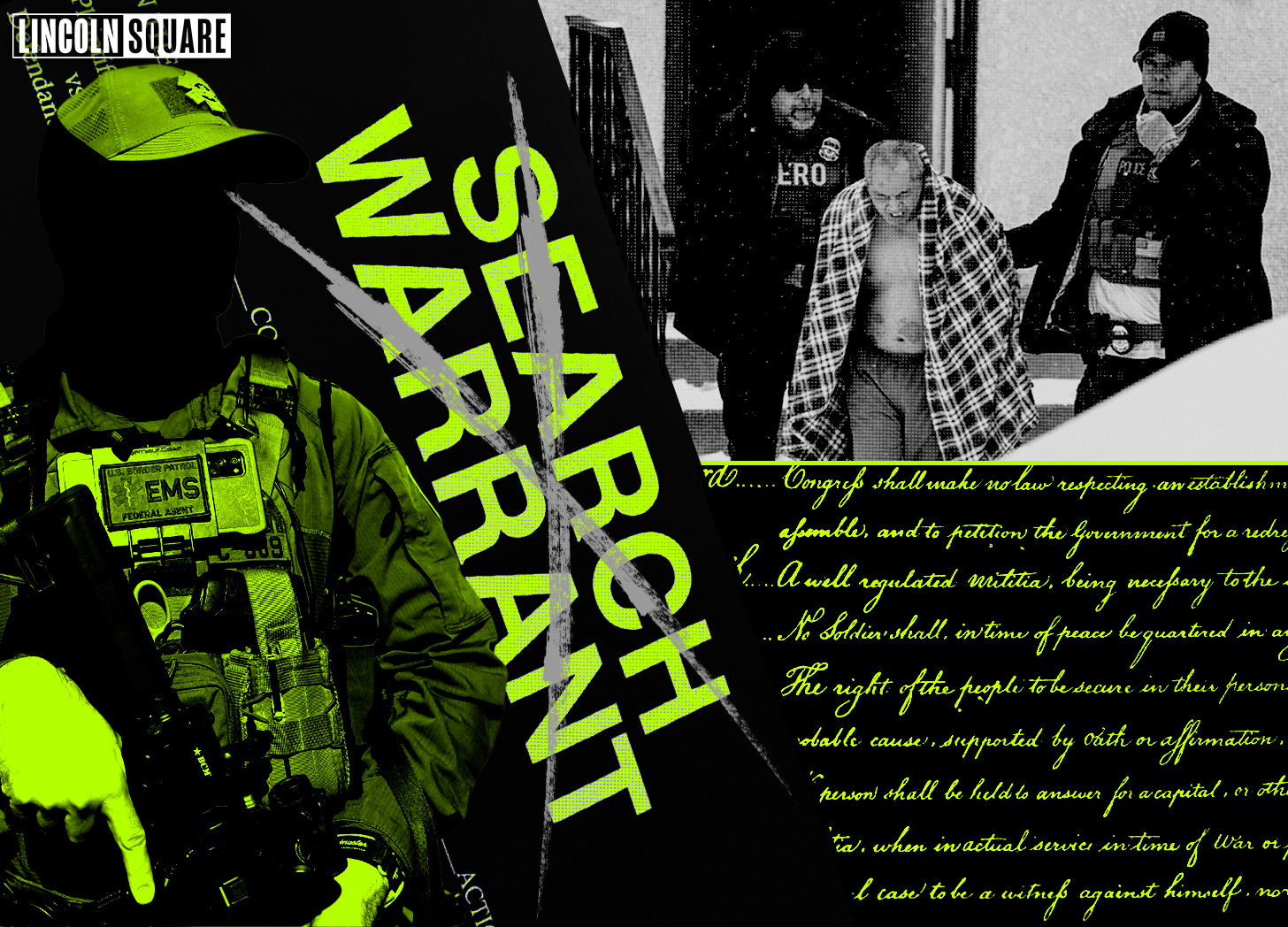
Last week, we learned that President Trump isn’t waiting to formally announce suspension of certain widely accepted interpretations of the Constitution. He’s already quietly started.
The Associated Press obtained an internal ICE memo authorizing its agents to forcibly enter homes to detain someone for final deportation relying only on a government form – an I-205, which allows agents to take a migrant into custody. The memo, later shared with the Washington Post, was apparently approved in May by the acting ICE director, and disclosed to U.S. senators by a nonprofit called Whistleblower Aid.
This disturbing disregard for civil liberties flies in the face of Supreme Court decisions that have governed for decades how and when American law enforcement agencies can enter private dwellings – particularly a third-party home. But the memo also contravenes longstanding ICE and DHS policy requiring a judicial warrant, or far more practicably, voluntary consent:
“Because neither a Warrant for Arrest of Alien (1-200) nor an administrative Warrant of Removal (1-205) authorizes you to enter the subject’s residence or anywhere else affording a reasonable expectation of privacy, you must obtain voluntary consent before entering a residence.”
– ICE Enforcement and Removal Operations, Fugitive Operations Handbook, July 23, 2010.
For those reasons, it’s likely that ICE officials kept the memo within a limited circle of managers and newly-recruited agents, and away from seasoned veterans who know better.
Secret police; secret policy. But once the secret was out, DHS did not deny the memo’s existence. A statement by DHS Assistant Secretary Tricia McLaughlin asserted that any person who is the subject of a Form I-205 has “had full due process and a final order of removal from an immigration judge.”
Even if you accept McLaughlin’s claim that an I-205 form, which is signed by an immigration officer, not a judge, constitutes due process, the fact is that this form simply authorizes agents to take a deportable migrant into custody – not to forcibly enter their or anyone else’s home.
