


Brian Daitzman is the Editor of The Intellectualist. Subscribe to his Substack.
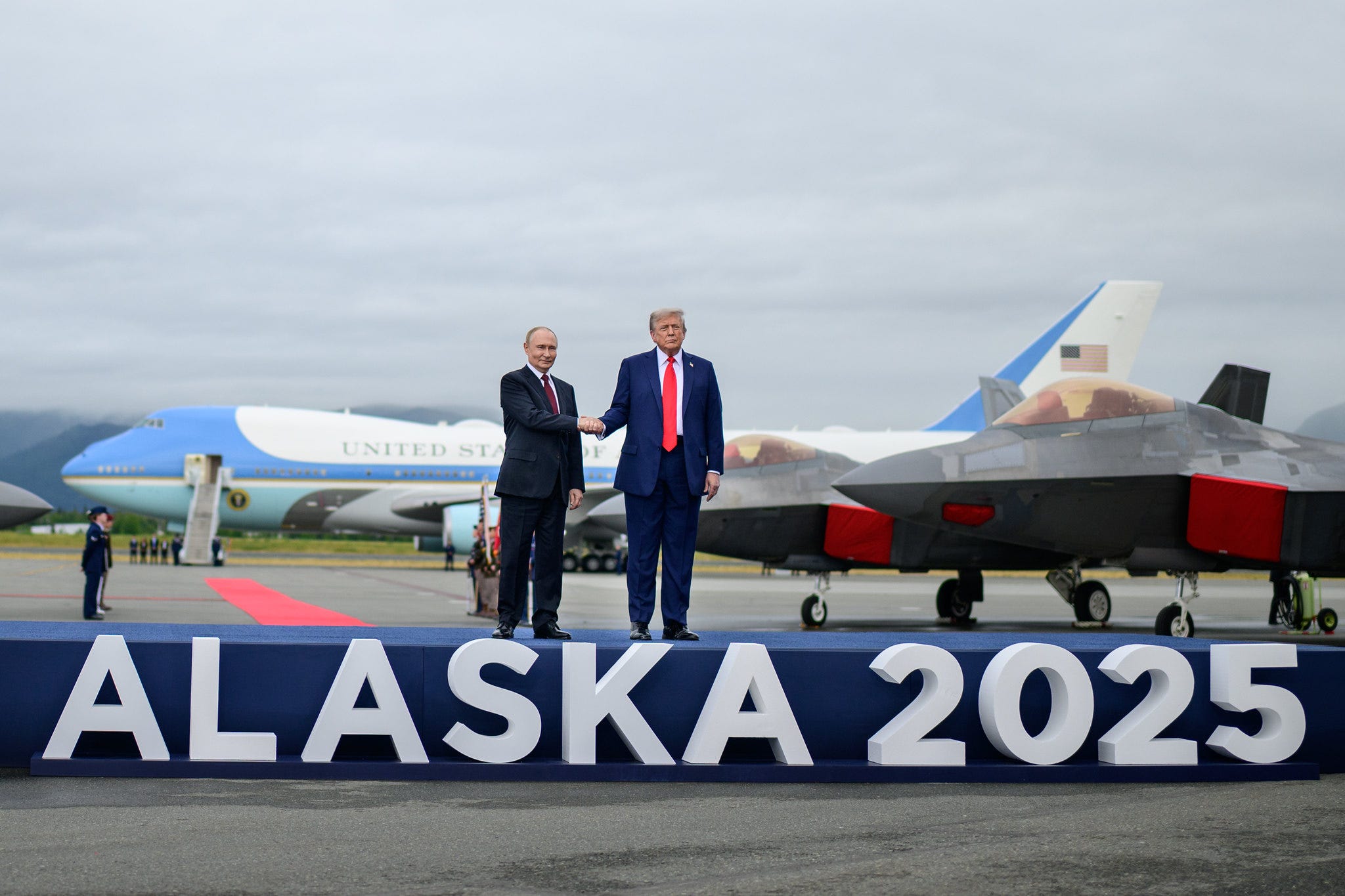
For decades, the rivalry between Washington and Moscow has been governed by a core principle of deterrence: rival powers do not help identify American military targets. Crossing that boundary risks retaliation and escalation between nuclear-armed states. Reports that Russia may have shared intelligence with Iran identifying U.S. military positions in the Persian Gulf suggest that boundary may now be under test. President Donald Trump, Defense Secretary Pete Hegseth, and White House officials have responded by dismissing the reports publicly—even as U.S. forces face missile and drone attacks linked to Iran across the Middle East.
For most of the post–World War II era, American strategy toward Moscow rested on a simple premise: Russia was an adversary, and actions affecting U.S. forces demanded a proportional response.
Deterrence only works when adversaries believe the boundary will be enforced.
Presidents disagreed about tactics—sanctions, diplomacy, arms control—but the underlying assumption held. Russian activity threatening American military assets demanded scrutiny and, when necessary, a proportional response designed to deter future attacks.
That assumption is now being tested.
Iran has launched missile and drone attacks against U.S. facilities and allied countries hosting American forces across the Persian Gulf as tensions in the region escalate. The United States maintains roughly 40,000 to 50,000 troops across the Middle East, with major installations in Qatar, Bahrain, Kuwait, and the United Arab Emirates. U.S. officials say Russia may have provided intelligence that could help Tehran identify American aircraft, naval vessels, and military installations in the region.
Ordinarily, the involvement of a rival power in identifying American military targets would trigger alarm in Washington.
It still should.
Instead, the Trump administration’s response has been dismissive.
President Donald Trump brushed off a question about Russia’s role as “a stupid question.” Defense Secretary Pete Hegseth said Moscow’s involvement was not putting American forces in danger. White House press secretary Karoline Leavitt said Russia’s role “does not really matter.”
The reaction is striking, not simply because of the intelligence report itself, but because it departs from a long-standing strategic reflex in Washington.
