


Brian Daitzman is the Editor of The Intellectualist. Subscribe to his Substack.
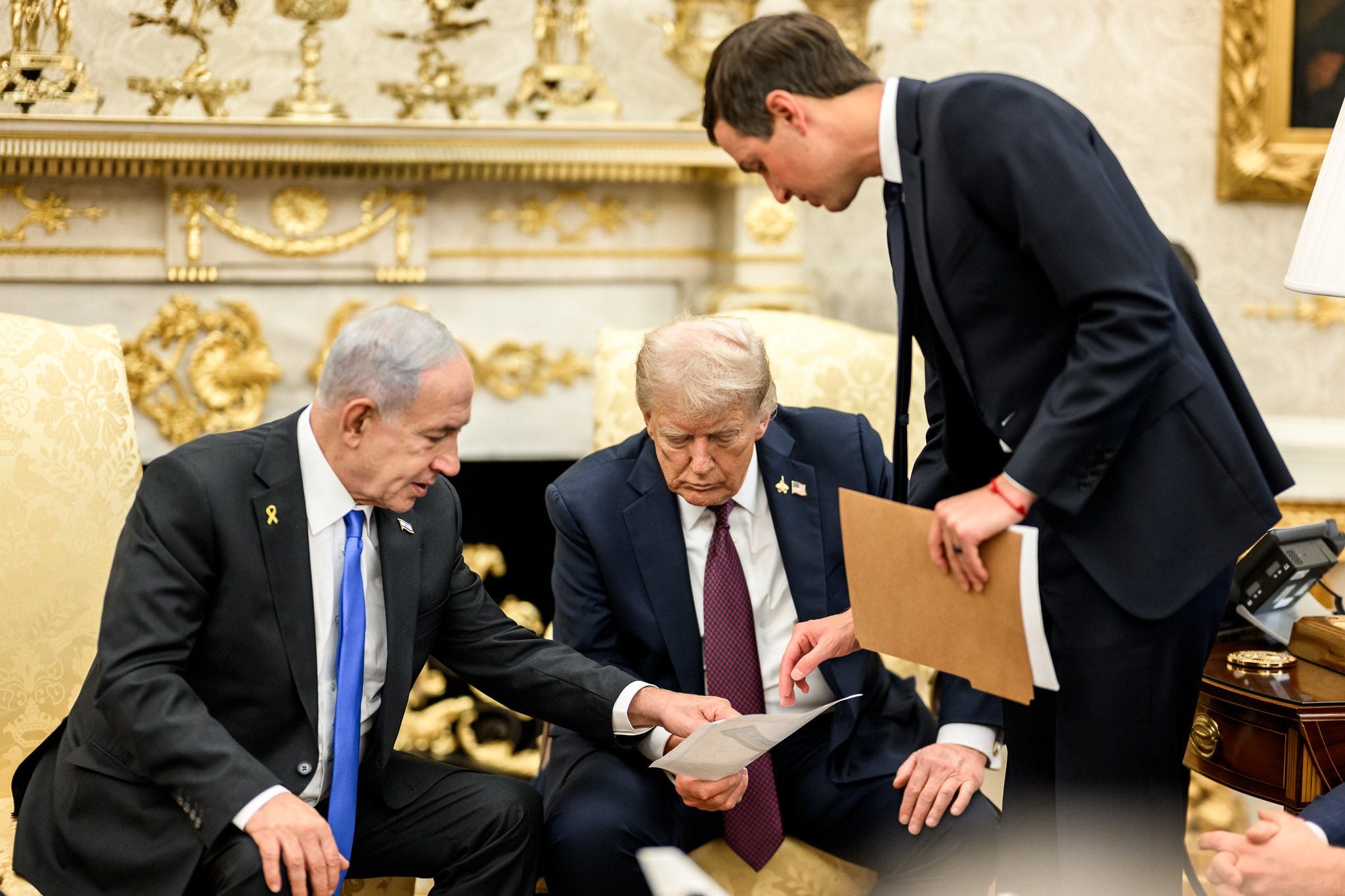
Jared Kushner, President Donald Trump’s son-in-law, has been participating in U.S. diplomacy in the Middle East while seeking billions of dollars for his private equity firm from sovereign wealth funds controlled by the same governments involved in those negotiations.
Ethics watchdogs say that overlap — private fundraising from foreign governments while negotiating with them on behalf of the United States — raises questions about federal disclosure rules and potential conflicts of interest.
In February, Kushner participated in U.S.–Iran nuclear talks in Geneva alongside the Trump administration’s Middle East envoy, Steve Witkoff. Iranian Foreign Minister Abbas Araghchi represented Tehran, and Oman mediated the negotiations, which ended without a deal.
Ethics experts say situations like this are precisely what federal disclosure rules are designed to address. When private financial interests intersect with government authority — particularly in dealings with foreign governments — officials are typically required to disclose those interests so potential conflicts can be reviewed.
The New York Times reported that Kushner has spoken with potential investors about raising $5 billion or more for Affinity Partners, the Miami-based investment firm he founded after leaving the White House in 2021.
Several of the discussions have involved government-controlled investment funds in the same region where Kushner has recently taken part in American diplomatic negotiations.
Federal ethics law bars officials from participating in matters that could affect their personal financial interests. Certain officials — including many classified as “special government employees” — must publicly disclose their finances and avoid decisions that could benefit them.
