


Brian Daitzman is the Editor of The Intellectualist. Subscribe to his Substack.
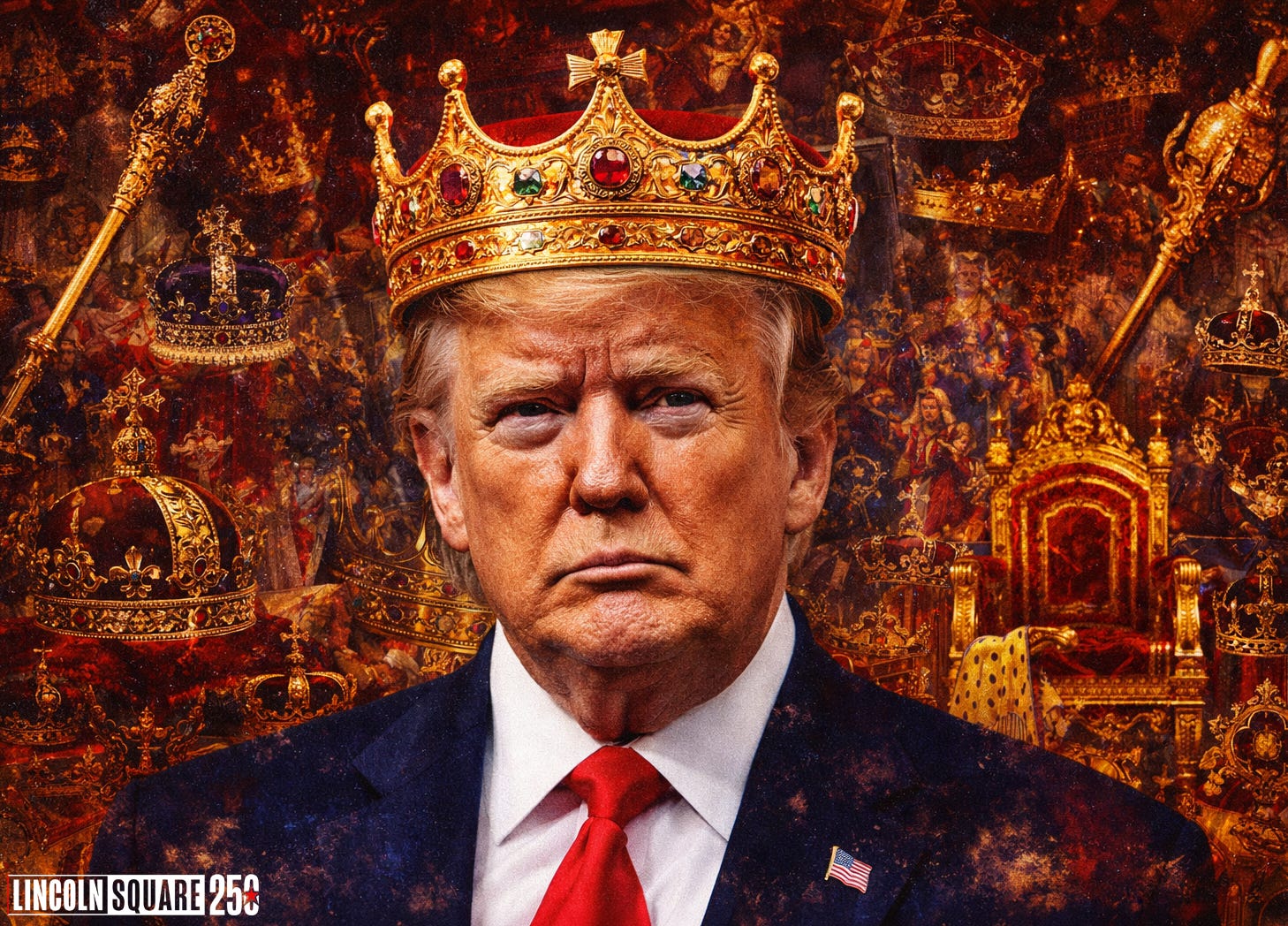
There’s growing alarm among former American intelligence and national security officials who warn that President Donald Trump’s use of executive power is weakening institutional checks and showing patterns they associate with authoritarian rule, according to a new Financial Times report.
More than 400 former officials belong to The Steady State, a group formed in 2016 amid concerns about authoritarian tendencies and the erosion of democratic norms. Its members include veterans of the C.I.A., F.B.I., State Department, Defense Department and Department of Homeland Security. The group also argues that weakening institutional checks poses risks to the American business environment.
Their experience lends weight to the warning. It does not prove the case. The question is whether the pattern they describe can be seen in actions already in the public record.
One example is the use of security clearances. On his first day back in office, Trump ordered the revocation of active clearances held by former intelligence officials who had signed a 2020 letter concerning material from Hunter Biden’s laptop. The administration said those officials had improperly used their status to influence an election. Former officials interviewed by the Financial Times see something different: national security powers being used against people the president regards as political opponents — one of the institutional patterns behind their broader warning.
Mark Zaid, a national security lawyer whose clearance was revoked, told the newspaper, “The guardrails were all taken down.”
The dispute also extends to election intelligence.
In July, Trump used a prime-time address to release newly declassified material and argue that China had obtained personal data on millions of American voters, that foreign adversaries posed serious threats to election infrastructure and that officials had suppressed important intelligence. The White House says the disclosures reveal serious vulnerabilities in election infrastructure.
That position is at odds with an important part of the intelligence community’s earlier public assessment. A declassified 2021 assessment concluded that China did not deploy influence efforts intended to change the outcome of the 2020 presidential election, although Beijing considered such activity. The disagreement matters because Trump is challenging earlier intelligence judgments while accusing parts of the intelligence bureaucracy of concealing politically consequential information.
Former intelligence officials are also examining emergency powers. The Institute for the Study of States of Exception says its work focuses on the misuse of extraordinary executive authority and the ways temporary powers can weaken democratic constraints.
