


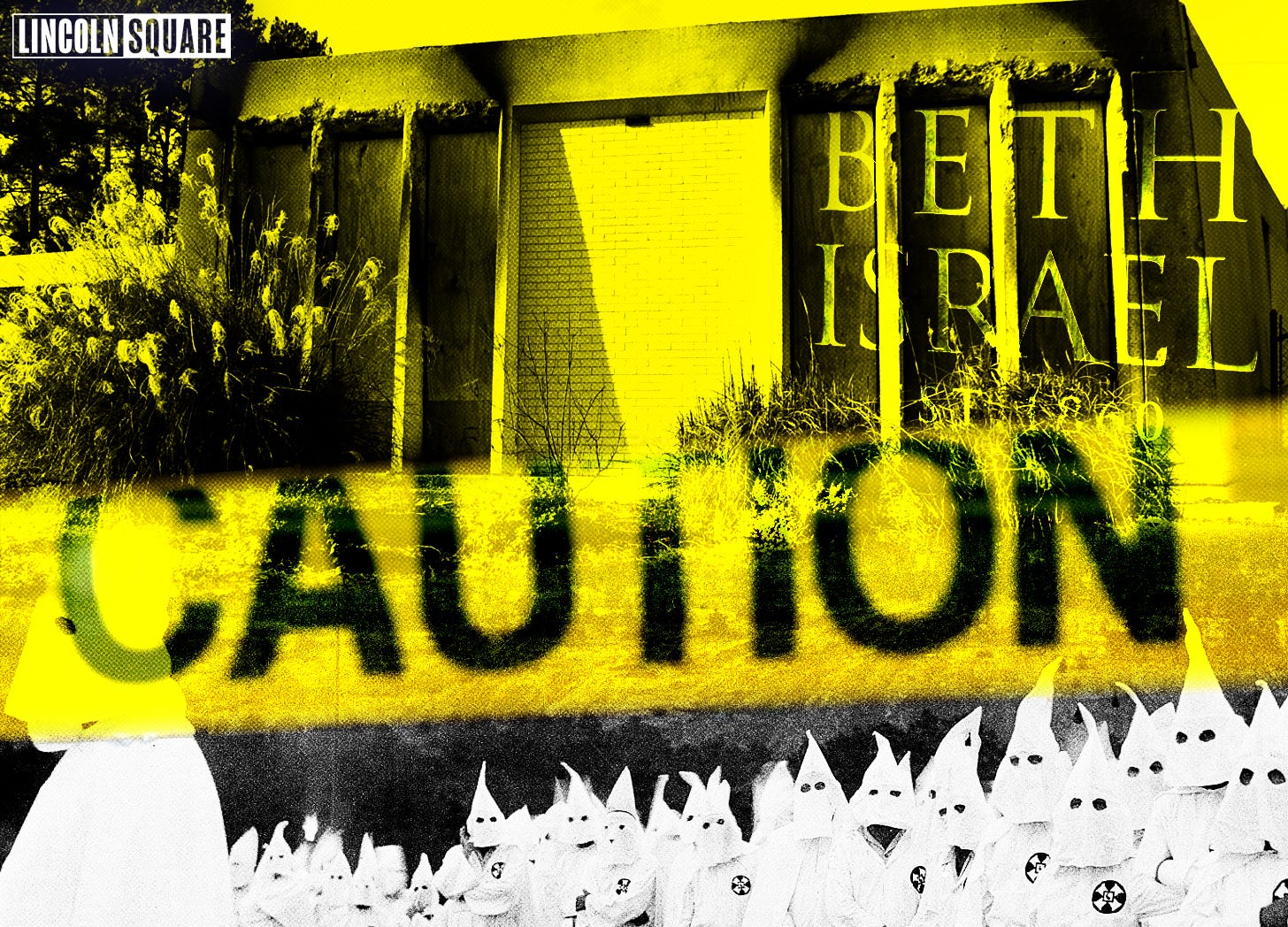
The Mississippi of 1967 has pushed its way back into the 2026 news cycle. Almost 60 years ago, on September 17, 1967, the Beth Israel Synagogue was fire bombed. Now we can add “for the first time” to the description as the same synagogue in the same location was bombed this week.
For most, a reference to 1967 Mississippi likely evokes vague images of a poor Southern state still playing out a Mississippi Burning-era of Civil Rights struggle. For me, the memory is precise and intense. It was a formative year in my life, the first time I worked on a political campaign.
The candidate was William Winter, who was running for the Democratic nomination for governor against John Bell Williams, the last avowed segregationist Mississippi elected. The Winter family and my family were close, with long-time Ole Miss connections. One of the Winter daughters and I were the same age and attended the same schools.
In those days in Mississippi, there was a phrase used to describe someone’s view of race relations. Those who were against segregation were described as “good on race.” Winter William, like my parents, was good on race.
That summer, I did the stuff that kid volunteers do on campaigns: walked precincts, handed out bumper stickers at shopping centers, and put up yard signs. I may have torn down a few John Bell Williams yard signs, as well.
I was able to travel some with Winter. Like most gubernatorial candidates even today, Winter had no personal security detail. In those days in Mississippi, there was always a question about how much local law enforcement could be trusted. The three Civil Rights workers murdered in Neshoba County in 1962 were stopped by a deputy sheriff and turned over to the Klan.
My dad had been an FBI agent and was part of a loose group of former and off-duty law enforcement types who volunteered to provide security for William and his wife. I have a still-searing memory of being in the lockerroom of a high school stadium on the Mississippi Gulf Coast before Winter was scheduled to give a Friday night rally speech. An anonymous caller had phoned in a warning that if Winter spoke, he would be shot.
My father and the handful of law enforcement volunteers pleaded with Winter to cancel the speech. It was a foggy night, a perfect situation for a sniper to take a shot. Winter refused. So the men went out to their cars and came back with a bulky bulletproof vest that Winter put on under his jacket, laughing about how it made him look like a lineman, not the wide receiver he’d played in high school. My father and the others took rifles out of their cars and hid them under long coats.
When Winter opened the locker room door and walked out on the brightly lit football field, I thought it was the bravest thing I’d ever seen. Sixty years later, I still do.