


Brian Daitzman is the Editor of The Intellectualist. Subscribe to his Substack.
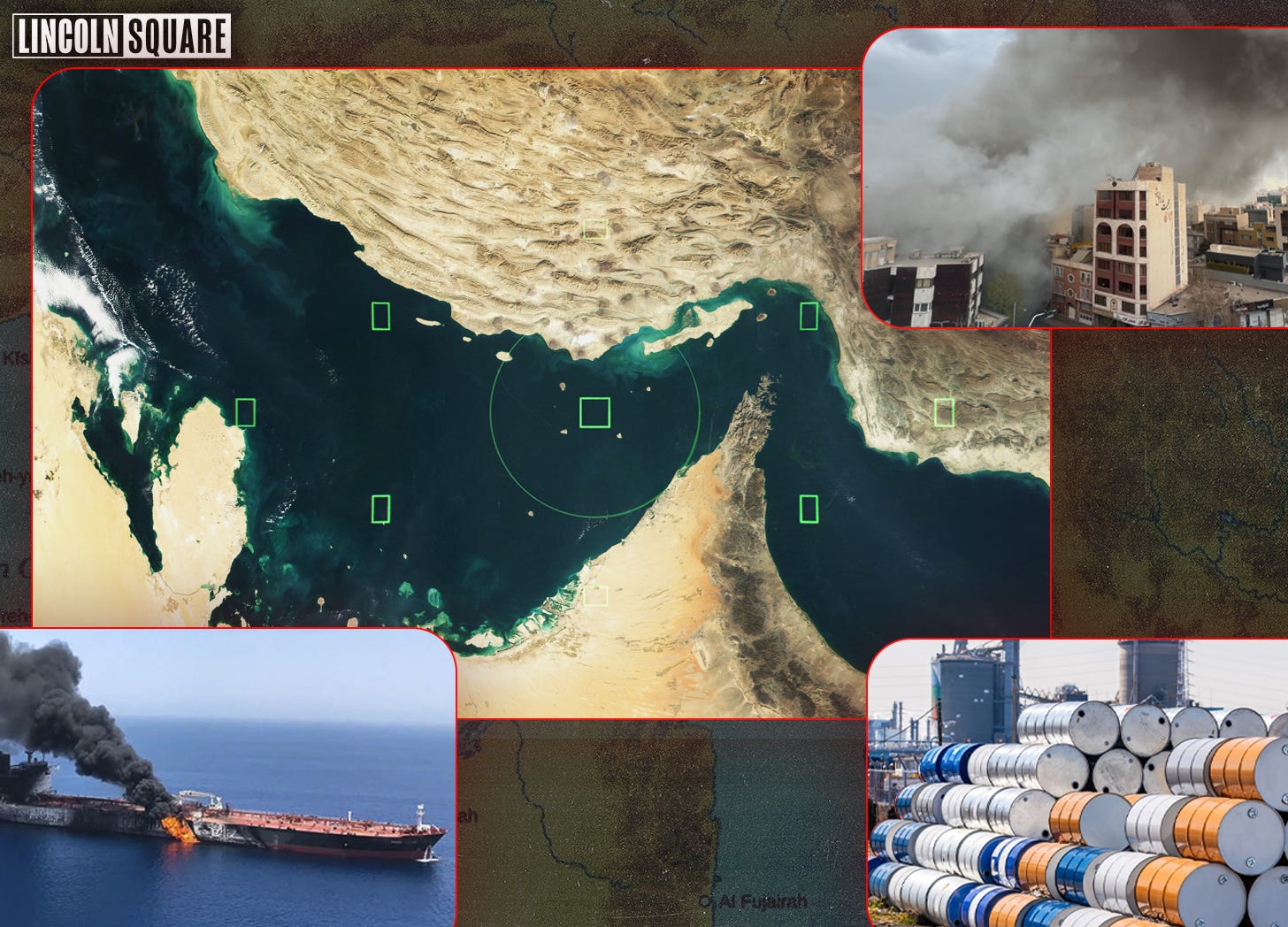
A narrow stretch of water in the Persian Gulf carries roughly one-fifth of the oil that powers the global economy. In early March 2026, that corridor—the Strait of Hormuz—was pulled into a rapidly escalating conflict between Israel, the United States, and Iran following airstrikes on Iranian targets and Iran’s subsequent retaliation across the region.
If insurers begin withdrawing war-risk coverage and tankers stop moving through the passage, the disruption will not remain confined to energy markets. Oil prices could surge. Financial markets would quickly price in supply shocks, and governments would scramble to secure alternative fuel supplies.
Because natural gas from the Gulf also underpins fertilizer production, the shock would spread beyond energy. Fertilizer output would fall. Food prices would rise. Vulnerable regions could face severe shortages.
A crisis unfolding in a 21-mile-wide passage of the Persian Gulf could ripple through the global system—destabilizing markets, straining governments, and pushing already fragile economies toward financial crisis.
The modern global economy depends on a small number of narrow maritime chokepoints. The most important of them may be the Strait of Hormuz.
Every day, tankers carrying oil and liquefied natural gas pass through a narrow stretch of water between Iran and the Arabian Peninsula. Roughly 20 million barrels of oil per day—about 20 percent of global petroleum consumption—move through that corridor, along with roughly one-fifth of the world’s liquefied natural gas trade.
Every day, the energy that powers factories in Europe, fuels cars in the United States, and keeps electricity flowing across much of Asia passes through that single corridor.
At its narrowest point, the shipping lane is barely 21 miles wide. It is one of the tightest and most strategically important passages in the global energy system.
Entire national economies depend on that corridor functioning normally.
At the moment, however, it is not functioning normally.
In early March 2026, the strait was pulled into a rapidly escalating conflict involving Israel, the United States, and Iran. Israeli and American strikes on Iranian targets triggered retaliation across the region, sharply increasing the risks facing commercial shipping in the Persian Gulf.
The Strait of Hormuz has not been formally closed, and no navy has declared a blockade.
Yet the global shipping system is increasingly behaving as if the corridor itself is beginning to fail.
Tankers are hesitating to enter the passage. Insurance coverage is becoming harder to secure. Cargo bookings are being delayed or canceled.
Shipping data services and maritime analysts report widespread delays in vessel movements across the Persian Gulf, including oil tankers waiting for updated risk assessments as insurers reconsider the risks of operating in the corridor.
